Does Your Underwear Bother You All Day? These Small Details Matter
When you can feel your underwear all day
Underwear may feel comfortable in the morning, yet begin to dig in, ride up or rub after a few hours. What seems right during a quick try-on may not stay comfortable while sitting, walking or wearing it for an entire day.
Because underwear is in direct contact with the skin, even a small source of discomfort can feel more noticeable than it would in an outer garment. A rougher surface, a bulky seam, elastic that twists or a leg opening that is too tight can become increasingly irritating over time.
Our bodies often give us a simple signal: if we cannot wait to take our underwear off, one or more of its details probably do not suit our body or our daily activities.
What can make underwear feel uncomfortable?
Comfort is shaped by several factors working together. It is not only the fabric that matters, but also the fit, the inner surface, how well the garment stays in place and the conditions in which we wear it.
Heat, moisture and friction
For much of the day, the intimate area is covered by several layers of clothing. Trousers, tights or close-fitting sportswear may be worn over underwear while we sit, move and naturally perspire. This can make it easier for a warm, damp feeling to develop next to the skin.
Moisture can also make friction more uncomfortable. If damp fabric repeatedly rubs against the same area of skin during movement, redness, sensitivity or a stinging sensation may appear sooner. This can be particularly noticeable around the groin, along elasticated edges or wherever the fabric gathers.
This does not mean that underwear causes every kind of discomfort. It is worth noticing, however, whether the sensation regularly becomes stronger with certain cuts, fabrics or activities.
Fabric is about more than fibre percentages
The label tells us which fibres a fabric contains, but it does not tell its whole story. Textiles go through several stages of production: they may be dyed, softened and treated with different finishing processes. Alongside fibre composition, a reliable supplier background and appropriate textile certifications can therefore provide useful guidance.
Certification cannot replace a pleasant feel or a well-designed cut, but it can help us make a more informed decision about what we wear directly against our skin.
Synthetic or plant-derived fibres?
Different fibres behave differently during wear and washing. They can vary in feel, elasticity, moisture management and in how they feel against the skin after several hours. A garment being soft or lightweight does not, by itself, tell us everything about everyday comfort.
Plant-derived fibres can offer many people a more natural and pleasant feel, while synthetic fibres may also contribute elasticity, shape retention or certain technical properties. It is not simply a question of good and bad materials: proportion, quality and intended use all matter.
Good fabric alone is not enough
Even a soft, carefully selected fabric can become uncomfortable if the size, cut or construction is not right. True comfort comes from combining the fabric with thoughtful design that takes its properties into account.
The right size
A smaller size does not necessarily create a more flattering shape. If underwear is too tight, its edges may dig in, the fabric can shift and the elastic may press into the skin. A larger size is not always more comfortable either: it can ride up, wrinkle or rub during movement.
The right size follows the body's contours without constricting them. The elastic keeps the underwear in place without leaving deep marks or becoming uncomfortable while sitting.
A cut that suits your body and your day
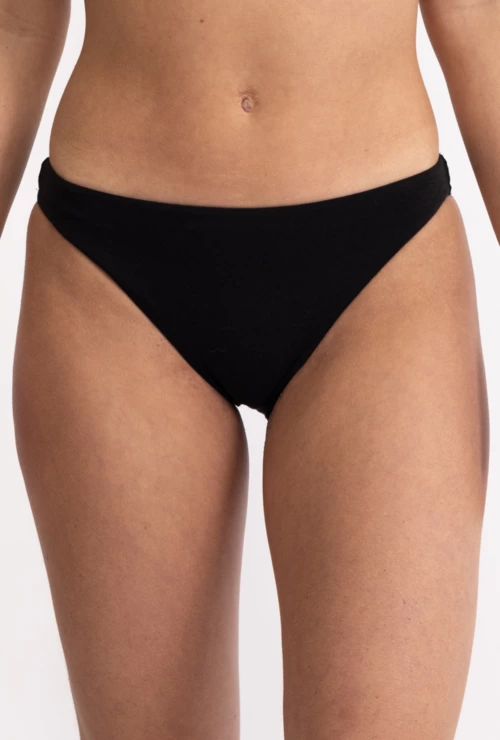
There is no single perfect cut for everyone. Some people prefer a lower rise, while others feel more comfortable with wider sides or a higher waist. Your plans for the day matter as much as your body shape.
A different style may work beneath fitted trousers than under a lightweight dress. Long periods of sitting, travelling or active movement can also create different needs. Look for a cut that stays in place as you move.
Seams, labels and elastic
A tiny detail can often become the main source of discomfort. A bulky seam may press, a label may rub, and elastic that is too firm or too narrow may dig in. These details can matter even more for sensitive skin.
When shopping, run your hand over the inside of the garment. If something already feels rough, stiff or prominent in your hand, it will probably become even more noticeable after several hours of wear.
When can discomfort feel more noticeable?
The same underwear may feel comfortable one day and irritating on another. Temperature, movement, the clothing worn over it and the length of wear can all influence how it feels.
It is especially worth choosing carefully:
- in hot summer weather or warm, humid environments;
- during exercise, cycling or a longer walk;
- during a full day of seated work or a long journey;
- under tight jeans, leggings or several layers of clothing;
- on days when your skin already feels more sensitive.
After physical activity or heavier perspiration, change out of damp underwear as soon as possible. This is primarily a matter of comfort: dry underwear helps avoid prolonged contact between the skin, damp fabric and repeated friction.
Washing can also affect comfort
Sometimes it is not the underwear itself, but fragrance or detergent residue left in the fabric after washing that causes discomfort on sensitive skin. Follow the recommended detergent dosage and, if necessary, choose an extra rinse. Always wash new underwear before wearing it for the first time.
A strong fabric-softener scent may seem pleasant, but not every person's skin responds to it in the same way. If irritation keeps returning, observe whether a simpler, less heavily fragranced laundry routine makes a difference.
If you would like to preserve the softness, shape and lifespan of your clothes for longer, read our guide to gentler laundry methods as well.
What do we focus on when creating ÊTRE underwear?
When developing ÊTRE, we began with the idea that comfort is not a single feature. It is not enough for underwear to feel soft, just as it is not enough for it to look good. The fabric, cut and every construction detail need to work together.
Skin-friendly fabric choices
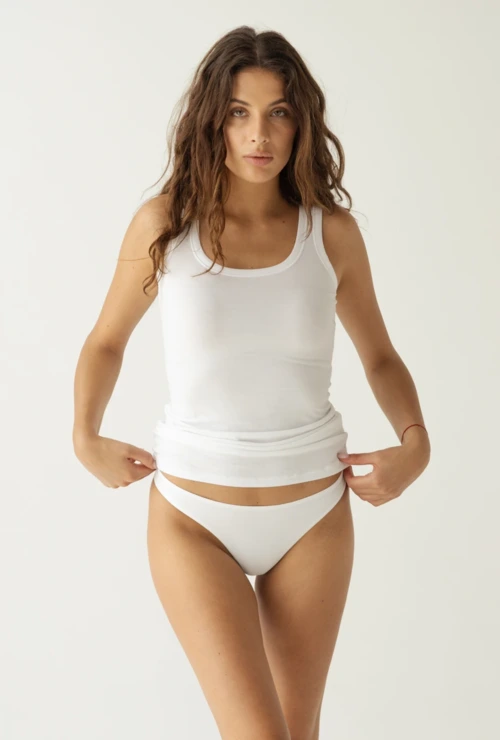
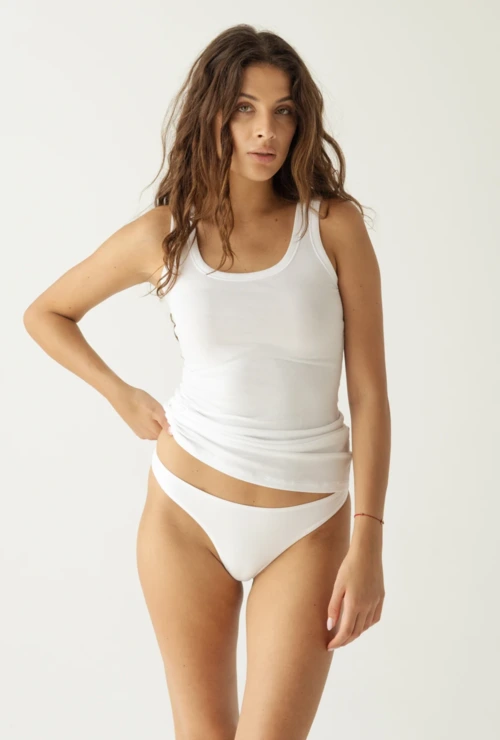
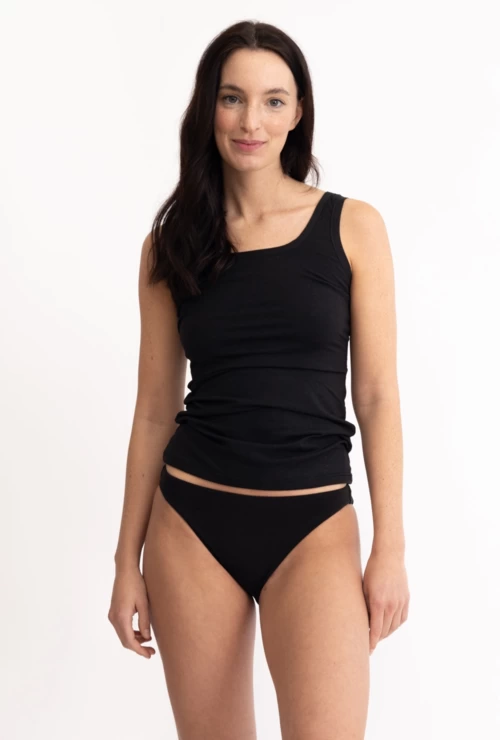
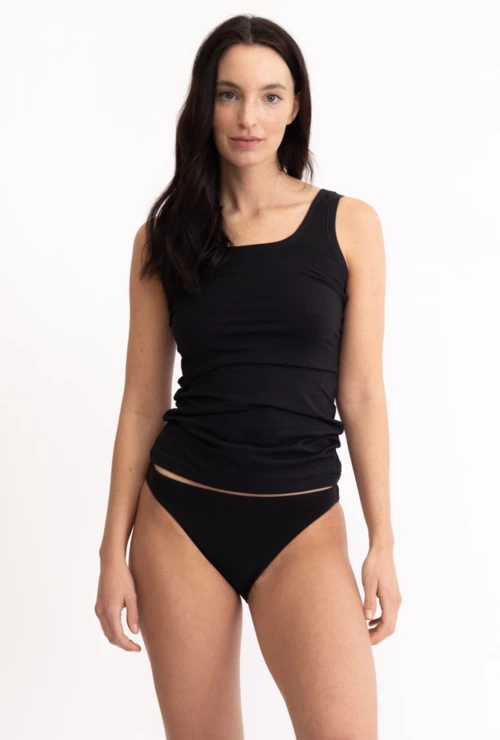
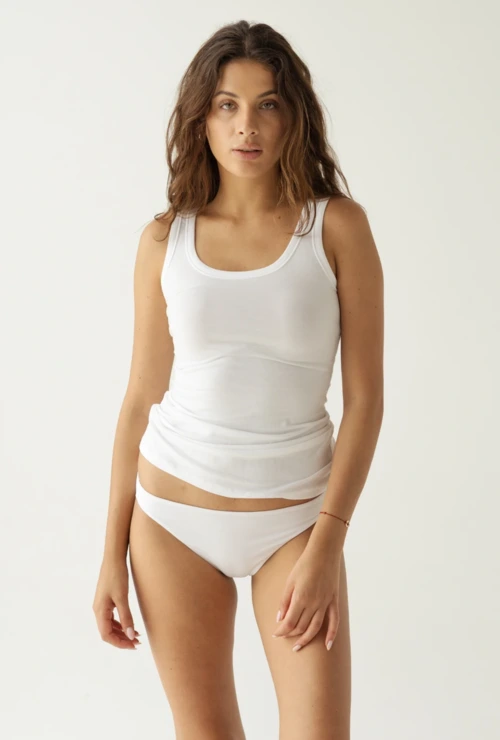
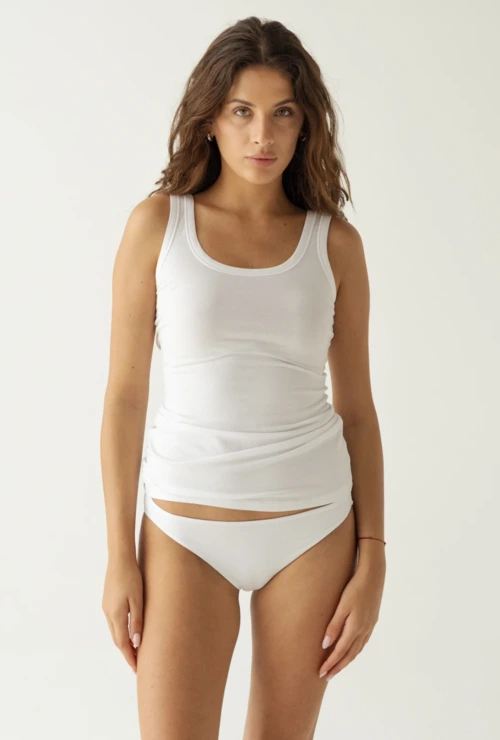
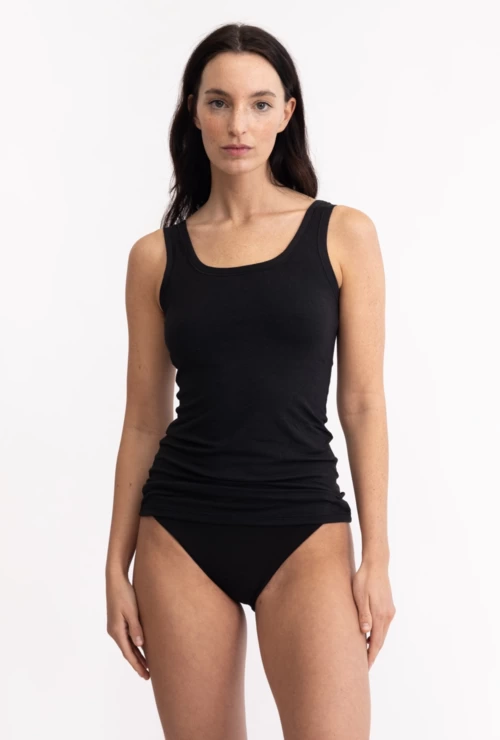
The main fabric used for our underwear contains 46% bamboo-derived cellulose fibre, 46% organic cotton and 8% elastane. We chose this blend to create a fabric that feels soft and pleasant while remaining flexible enough to follow the body's movement and retain its shape.
For us, skin-friendly means working towards fabric and design solutions that can provide a gentle, comfortable feel throughout long hours of everyday wear.
A background of certified suppliers
When selecting fabrics, we look beyond feel and fibre composition. It is important to us to work with reliable suppliers that hold appropriate textile certifications. This provides more information and greater transparency about the materials that come into direct contact with our customers' skin.
We refer to certifications precisely: we state which certificate applies to which supplier or material. We do not automatically claim that the finished ÊTRE product itself holds the same certification.
More than 30 years of professional experience
True comfort often depends on details that are barely visible at first glance. More than three decades of underwear-manufacturing experience help us consider how a garment will behave from the cutting and production stages onwards: where the seams sit, how the fabric lies against the body, how flexible the elastic is, whether the garment retains its shape and whether it remains comfortable after several hours.
We do not rely on one eye-catching solution. We focus on the overall result: skin-friendly fabric, the right fit, careful construction and a dependable manufacturing background. Our aim is for underwear not to draw attention to itself, but to move naturally with the body throughout the day.
True comfort is made up of many small decisions
Comfortable underwear is not necessarily the piece that looks most striking at first glance. It is the one that follows your movement, does not constrict or rub, and becomes almost unnoticeable after a few minutes.
Fabric matters, but so do the right size, a cut that suits your body, careful construction and whether the underwear fits the needs of your everyday life.
If taking off your underwear at the end of the day regularly brings a sense of relief, ask yourself a simple question: is this really the cut, size and fabric in which my body feels comfortable?
One of the most important qualities of good underwear is not that you can feel it all day, but that you barely notice it at all.
When is changing your underwear not enough?
Discomfort in the intimate area can have many causes, so it is not appropriate to assume that underwear is always responsible. If itching, pain, burning, unusual discharge, an unpleasant odour or skin changes persist, worsen or return regularly, seek medical advice.
Would you like to experience underwear designed with everyday comfort in every detail? Discover ÊTRE women's underwear.